
In this essay
Why We Exist
A conference talk from Lorenzo Small on the church's reason for being. Not its programs, not its buildings, not its institutional momentum, but the underlying calling that holds every congregation accountable: the gospel its existence is meant to bear witness to.

Listen to this essay
ElevenLabs Audio Native player will render here once the embed is wired up.
Read by an AI voice generated by ElevenLabs
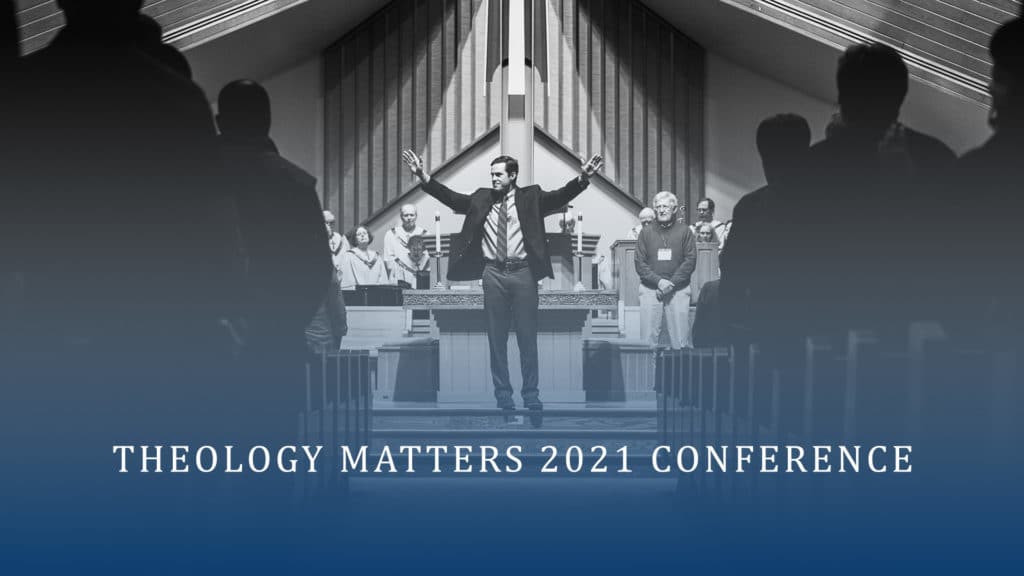
Lorenzo Small
All Essays by Lorenzo Small →Continue Reading
More Articles
 " alt="">
Suffering Redeemed: A Reformed Argument Against Physician Assisted Suicide and Euthanasia
Aguzzi defines the terms of the euthanasia debate carefully, distinguishes the various forms it takes, and offers a Reformed argument that suffering is not the worst thing that can happen to a person and that physician-assisted death cannot be reconciled with what the Christian tradition teaches about life and death.
 " alt="">
The Vertical: “Be Reconciled to God” A Sermon to the 222nd General Assembly
Andrews preaches 2 Corinthians 5 to the 222nd General Assembly: from now on we regard no one from a human point of view. The vertical reconciliation God has accomplished in Christ creates and shapes every horizontal one. A sermon for a denomination tempted to invert the order.
 " alt="">
Abortion and the Sacraments
Christians are made to be different. Achtemeier follows that New Testament refrain into the abortion debate, arguing that the church's witness on the unborn is finally a sacramental one: people who live by the powers of the triune Lord cannot value human life on the world's terms.
 " alt="">
Freedom for the Gospel, Freedom from Worldly Ideologies: The Barmen Declaration Today
Burgess opens with a year he spent at an East Berlin seminary in the 1980s, when Marxism-Leninism claimed total interpretive authority. Forty years later, he hears the Barmen Declaration's refusal of competing 'lords' speaking again to a church tempted by every ideology offering easier answers than Christ.
 " alt="">
How the Reformation Shapes our Life Together
A tomato plant's tag promised that 'deep roots produce abundant fruits,' which Hurley took as a parable of Reformation heritage. The piece is a pastor's reflection on how five-century-old roots actually feed the present, and what fruits a Reformed congregation might still expect to see.
 " alt="">
Learning to Say No For the Sake of God’s Yes
From Mark 2, Burnett walks through Christ's habit of dining with sinners and tax collectors. What does the divine yes to the wrong people require us to refuse? Especially now, in a moment when the church most wants to say yes to everything.