 Confessing the Faith
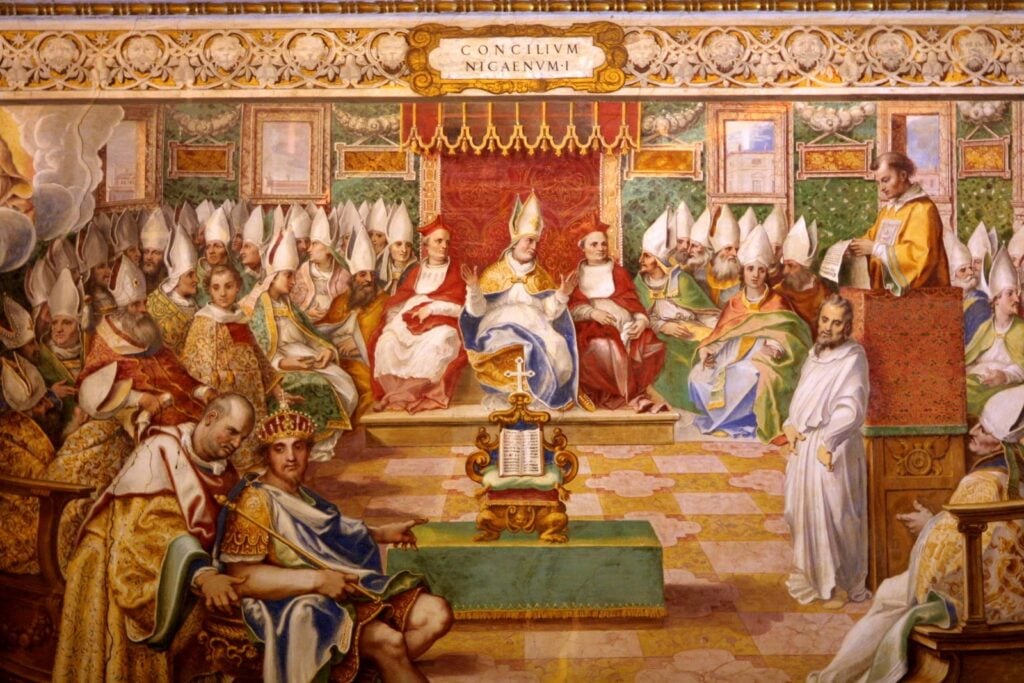
Why did Constantine summon the bishops to Nicaea, and how did the church remember the moment afterward? Andrews traces the council through the eyes of Eusebius and Theodoret, the historians who first preserved its witness for the centuries that followed.
 Confessing the Faith
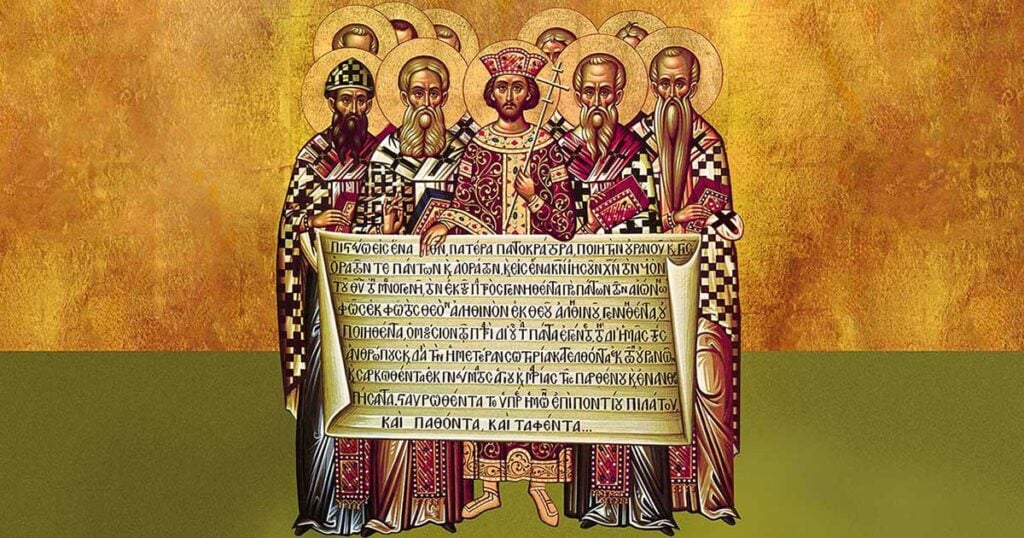
The Council of Nicaea was 1,700 years ago, but Small argues its disputes still live in pews and pulpits unrecognized. He examines what the Creed affirms and what it refuses to believe, drawing on Barth and Christopher Morse to recover the necessity of confessing both.
 Discipleship
Herbert's most famous poem stages a soul drawing back from divine love and the patient persistence with which Love draws it forward anyway. McDonald reads the poem alongside Herbert's pastoral writings, finding the same Reformed conviction running through both: only refusal can shut us out.
 Theology
Cyre traces the wedding scene that runs from Eden through the prophets to Revelation: the Father giving his Bride to the Son, Christ vowing eternal faithfulness to his Church. Every human marriage is an echo of that union, and our identity flows from being part of it.
 Church and Culture
Gen Z talks about romance as an unbearable rulebook crushing them. Kosari hears the same paralysis in our churches, where marriage has become an idol no one can quite picture. She turns to Isaiah 52, where the Lord woos his Jerusalem out of captivity, for a different vision.
 Church and Culture
The PCUSA constitution added two new categories this year and a new examination requirement that's already baffling presbyteries. Andrews offers pastoral guidance for sessions and committees on what's actually changed, what hasn't, and how to act faithfully without either overreach or quiet capitulation.
 Theology
The Ten Commandments aren't just a moral code; in Reformed worship they sit at the foundation of the service itself. Dorn traces how Bucer and Calvin built liturgies around them, and asks whether contemporary congregations have lost something by quietly setting them aside.
 Theology
Reprinted from a 1950 volume, this essay insists the Bible's whole message reduces to one staggering claim: God has spoken. The author argues that making this book truly known to people of our time is not merely a religious task but the supreme cultural one.
 Church and Culture
The Standing Theological Committee of ECO presents an eschatological account of gender and sexuality: not a backward-looking standard, but the new creation Christ is making. Rooted in Revelation 21, the document calls women and men forward into the kingdom rather than into longing or regret.
 Confessing the Faith
Burgess opens with a year he spent at an East Berlin seminary in the 1980s, when Marxism-Leninism claimed total interpretive authority. Forty years later, he hears the Barmen Declaration's refusal of competing 'lords' speaking again to a church tempted by every ideology offering easier answers than Christ.
 Discipleship
Miller takes Peter's confession at Caesarea Philippi as the question that follows every pastor home: who do you say that I am? A conference address mixing personal story with theological seriousness, reflecting on living and ministering east of Eden, between hell's gates and the keys of the kingdom.
 Theology
From Mark 2, Burnett walks through Christ's habit of dining with sinners and tax collectors. What does the divine yes to the wrong people require us to refuse? Especially now, in a moment when the church most wants to say yes to everything.
