 Theology
Cyre traces the wedding scene that runs from Eden through the prophets to Revelation: the Father giving his Bride to the Son, Christ vowing eternal faithfulness to his Church. Every human marriage is an echo of that union, and our identity flows from being part of it.
 Theology
The Ten Commandments aren't just a moral code; in Reformed worship they sit at the foundation of the service itself. Dorn traces how Bucer and Calvin built liturgies around them, and asks whether contemporary congregations have lost something by quietly setting them aside.
 Theology
Reprinted from a 1950 volume, this essay insists the Bible's whole message reduces to one staggering claim: God has spoken. The author argues that making this book truly known to people of our time is not merely a religious task but the supreme cultural one.
 Theology
From Mark 2, Burnett walks through Christ's habit of dining with sinners and tax collectors. What does the divine yes to the wrong people require us to refuse? Especially now, in a moment when the church most wants to say yes to everything.
 Theology
A sermon on Matthew 16, where Peter recognizes Jesus as the Christ. Small preaches against the language of dying churches, hearing in Christ's promise to Peter the foundation that no rate of decline can shake: the gates of hell will not prevail against the church Christ is building.
 Theology
At the close of his seventh decade, Burgess takes stock alongside the Bonhoeffer of the prison letters, asking the same question Bonhoeffer asked: who am I? The address is a meditation on identity, ministry, and what we hope to leave the generation that follows.
 Theology
What makes a Reformed church Reformed? Small begins with Peter DeVries's wry novelistic portrait of a Calvinist boyhood and works toward a serious answer: shared Protestant emphases, yes, but with distinctive accents on Scripture, election, the priesthood of all believers, and worship as covenant response.
 Theology
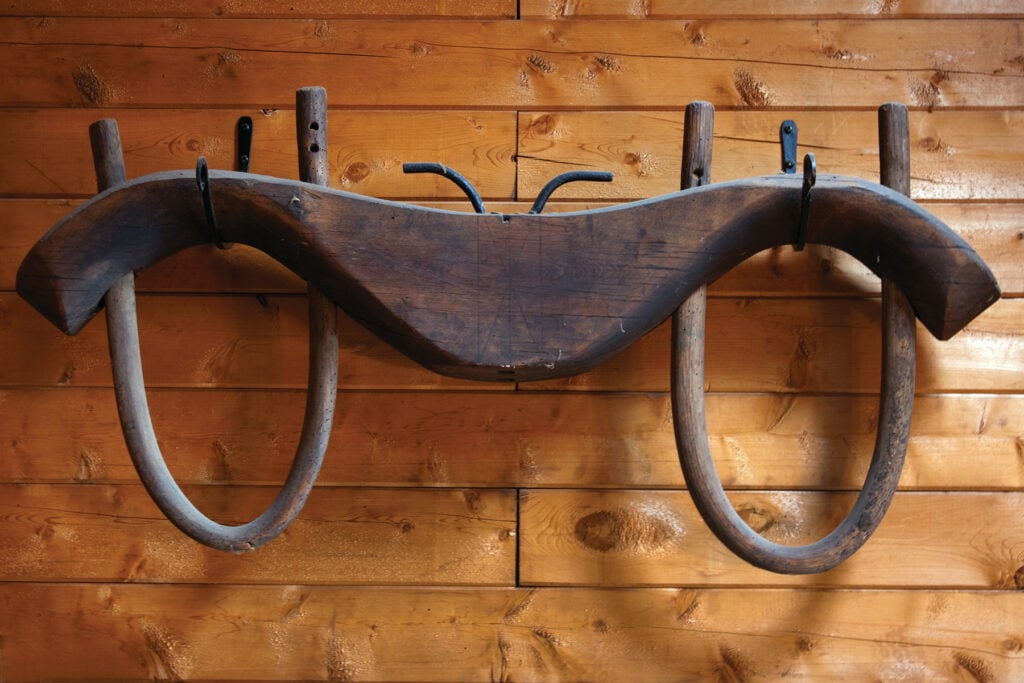
Why come to Jesus rather than to the certified teachers of the law? Bartow preaches Matthew 11's invitation to take Christ's yoke as the answer to a question Israel had been asking for generations: where, exactly, do we go to find rest for our souls?
 Theology
A century ago Harry Emerson Fosdick stood in a New York Presbyterian pulpit and preached against ordination standards he considered illiberal. Burnett returns to that famous sermon for its centennial, asking what it set in motion, what it cost, and what it still tells us about American Christianity.
 Theology
Augustine is loved for the introspective Confessions, but Andrews argues he was never alone. This chapter follows Augustine's circle in Hippo, his theology of friendship, and the sometimes-uncomfortable question it puts to pastors today: who walks with you, and what are you actually accountable to one another for?
 Theology
American culture treats the past as a burden to leave behind. Small argues the Reformed tradition does the opposite: it carries Calvin and the confessions forward not because they're old, but because they witness to a gospel the present urgently needs to hear.
 Theology
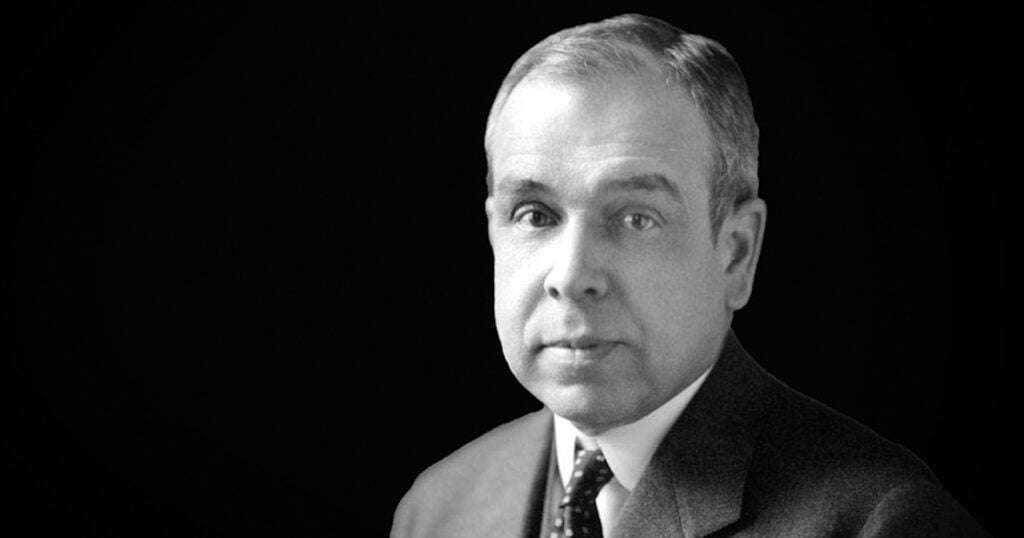
A hundred years on, Machen's Christianity and Liberalism still outsells most seminary faculties combined. Burnett examines what Machen actually meant by 'liberalism,' how that target has shifted since 1923, and why the book still feels uncomfortably current to readers on both sides of the line he drew.
