 Confessing the Faith
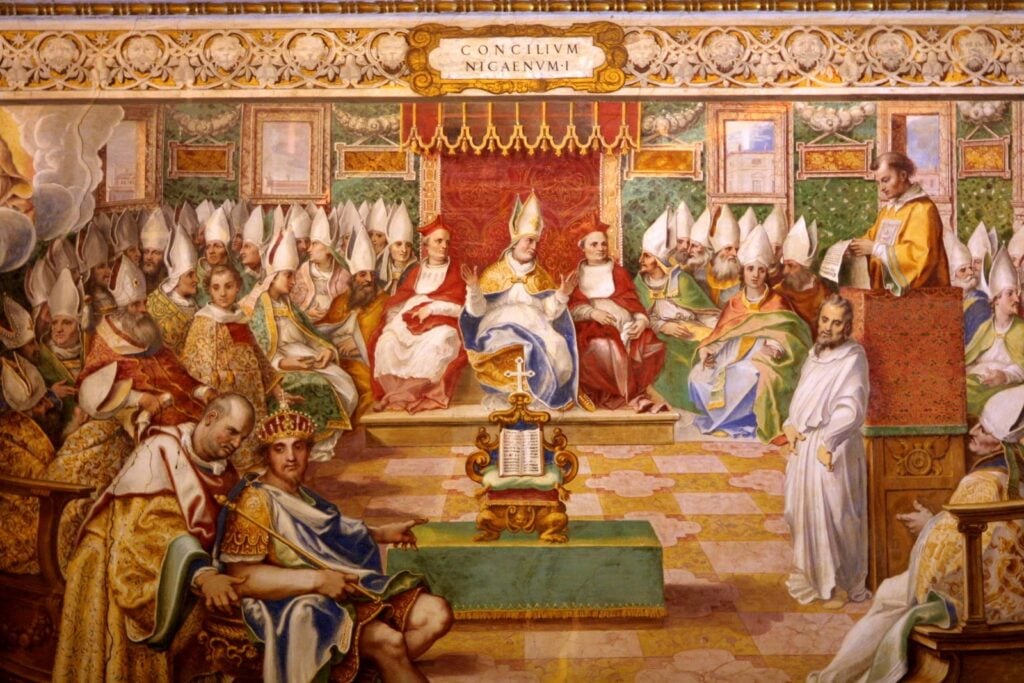
Why did Constantine summon the bishops to Nicaea, and how did the church remember the moment afterward? Andrews traces the council through the eyes of Eusebius and Theodoret, the historians who first preserved its witness for the centuries that followed.
 Confessing the Faith
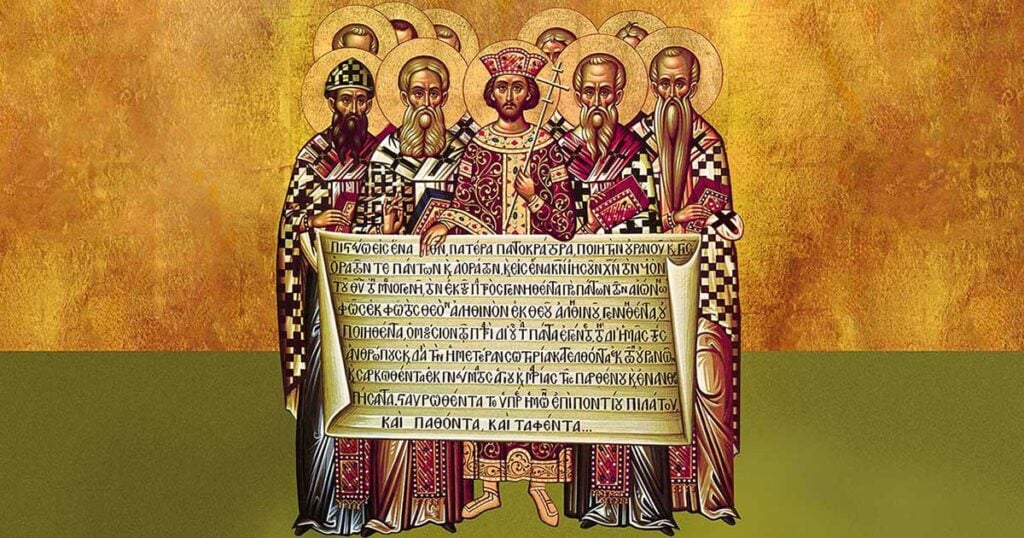
The Council of Nicaea was 1,700 years ago, but Small argues its disputes still live in pews and pulpits unrecognized. He examines what the Creed affirms and what it refuses to believe, drawing on Barth and Christopher Morse to recover the necessity of confessing both.
 Confessing the Faith
Burgess opens with a year he spent at an East Berlin seminary in the 1980s, when Marxism-Leninism claimed total interpretive authority. Forty years later, he hears the Barmen Declaration's refusal of competing 'lords' speaking again to a church tempted by every ideology offering easier answers than Christ.
 Confessing the Faith
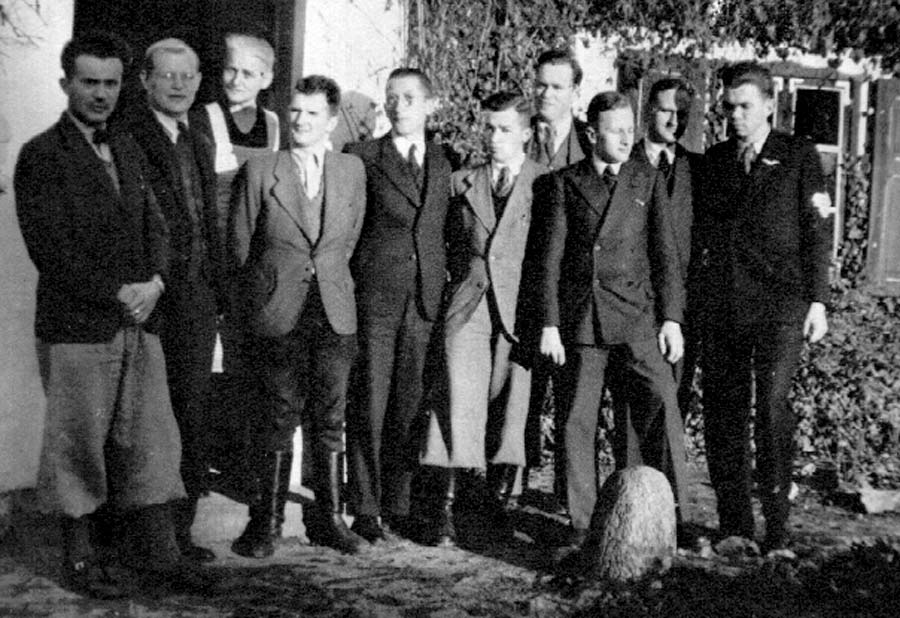
Ninety years ago a small group of pastors and elders in Barmen refused the Nazis' attempt to colonize the gospel. Working revisits Karl Barth's text and finds a confession that still names the temptation: any blood-and-soil ideology that asks the church to add another word to the one Word of God.
 Confessing the Faith
Burgess responds to the 225th General Assembly's call for a new PCUSA confession of faith with a different proposal: confess our present inability to make a common confession, and clarify what we would confess if we could. A serious work-around for a denomination at an impasse.
 Confessing the Faith
Wisdom summarizes Burnett's keynote at the 2020 TM conference: confessing Jesus as the truth has always been provocative, always contested, and never confessed for long without a cost. Burnett works the claim through Barmen and into our own moment.
 Confessing the Faith
Part two of Burnett's keynote on Barmen Article 1: Jesus Christ as the one Word of God we have to hear. The talk takes seriously the 'events and powers, figures and truths' that compete for that role in our own time, and how the church learns to refuse them.
 Confessing the Faith
Calvin once wrote that he would gladly cross ten seas if it would help mend the church's torn body. Burnett puts that ferocity in conversation with Karl Barth, and asks what the two together have to say to a denomination tempted to treat division as routine.
 Confessing the Faith
The PCUSA's Book of Order has long carried six 'Great Ends of the Church' that mark out what every Presbyterian congregation is for. Small reads them slowly, asks whether contemporary church life still recognizes itself in them, and offers a defense of orthodoxy that is anything but defensive.
 Confessing the Faith
Why do Protestants have confessions of faith? Burnett's answer is short: not because we want to say more than the Bible says, but because we don't want to say less. He walks through the docetist controversy as the kind of crisis that makes confession unavoidable.
 Confessing the Faith
The PCUSA's own panel survey on theological reflection turns up some good news and considerable confusion. Bush walks through the data carefully, including how the survey's own categories made a coherent answer harder than it had to be, and what the responses tell us about where Presbyterians actually stand.
 Confessing the Faith
After two decades of asserting that theology matters, Burnett asks the harder question: has it actually mattered? He surveys the major debates in the PCUSA over sexuality, the sanctity of life, and Book of Order revisions, and asks how often theology has actually shaped the outcomes.
